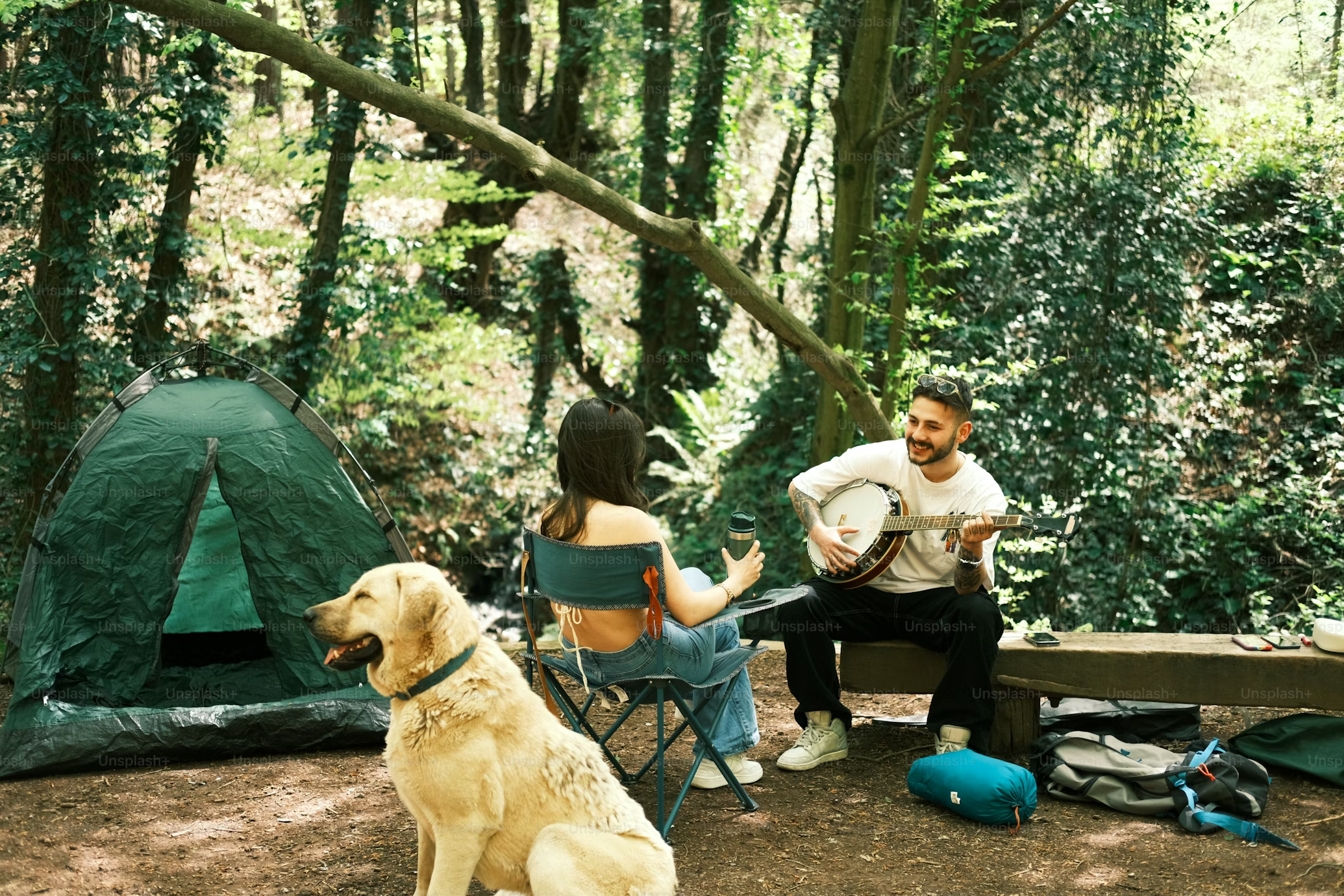
Camping in the Smoky Mountains offers a rare blend of pristine wilderness, rich biodiversity,
and deep Appalachian history. Nestled along the border of North Carolina and Tennessee, the
Smokies are one of the most visited mountain regions in the United States—and for good reason.
From mist-covered ridgelines to roaring waterfalls and centuries-old forests, the area provides an
unforgettable outdoor experience for campers of all skill levels.
At the heart of this region lies Great Smoky Mountains National Park, a protected landscape
renowned for its natural beauty, diverse wildlife, and extensive network of hiking trails. Whether
you are planning a family camping trip, a solo backcountry adventure, or a weekend getaway, the
Smoky Mountains deliver both tranquility and excitement.
Why Choose the Smoky Mountains for Camping
The Smoky Mountains stand out as a camping destination because they offer accessibility
without sacrificing wilderness. Campers can choose from developed campgrounds with modern
amenities or venture deep into the backcountry for a more rugged experience.
One of the most compelling reasons to camp here is the park’s biodiversity. The Smokies are
home to over 19,000 documented species of plants and animals, with scientists estimating that
tens of thousands more remain undiscovered. Black bears, white-tailed deer, elk, and countless
bird species thrive in this ecosystem, making wildlife viewing a major attraction.
Equally appealing is the scenery. The famous “smoky” haze—caused by natural vapors released
from dense vegetation—creates a dreamlike atmosphere, especially at sunrise and sunset.
Campers wake up to mountain air, forest sounds, and panoramic views that are increasingly rare
in the modern world.
Types of Camping in the Smoky Mountains
Frontcountry Camping
Frontcountry camping is ideal for families, beginners, and those who prefer convenience. These
campgrounds typically feature restrooms, picnic tables, fire rings, and nearby parking. Many are
located close to rivers, trailheads, and scenic drives.
Popular frontcountry campgrounds provide easy access to hiking trails, fishing spots, and ranger-
led programs. Reservations are often required during peak seasons, especially spring, summer,
and fall.
Backcountry Camping
For experienced outdoor enthusiasts, backcountry camping in the Smoky Mountains offers
solitude and immersion in nature. Backcountry sites are accessible only by hiking and require
advance permits. These campsites range from designated shelters to primitive tent sites deep
within the forest.
Backcountry camping rewards effort with quiet nights, star-filled skies, and intimate encounters
with nature. However, it also demands preparation, navigation skills, and strict adherence to
Leave No Trace principles.
RV and Car Camping Near the Park
While RVs are restricted in some park areas, there are numerous campgrounds just outside the
national park boundaries that cater to RV travelers. These locations often provide hookups,
showers, and easy access to nearby towns, making them a popular choice for extended stays.
Best Time of Year to Camp in the Smoky Mountains
Camping in the Smoky Mountains is possible year-round, but each season offers a distinct
experience.
Spring brings wildflowers, flowing waterfalls, and mild temperatures. This is an excellent time
for hiking and photography, though rain is common.
Summer is peak camping season. Warm days, cool mountain nights, and school vacations make
this the busiest time of year. Higher elevations provide relief from heat, while rivers and streams
offer refreshing swimming opportunities.
Fall is arguably the most popular season due to vibrant foliage. Autumn transforms the Smokies
into a tapestry of reds, oranges, and golds, drawing campers from across the country.
Winter camping is quieter and more challenging. Snow and ice are possible at higher elevations,
but the reward is solitude and dramatic winter landscapes.
Essential Gear for Smoky Mountain Camping
Proper equipment is critical for a safe and enjoyable camping experience. Weather conditions
can change rapidly in the mountains, so preparation is key.
Core essentials include:
A durable tent suitable for rain and wind
A sleeping bag rated for cool nighttime temperatures
Waterproof clothing and sturdy hiking boots
A reliable map and navigation tools
Bear-resistant food storage or approved hanging methods
Because black bears are common in the Smokies, food safety is taken seriously. Campers must
store all food, trash, and scented items properly to protect both wildlife and people.
Hiking and Outdoor Activities
Camping in the Smoky Mountains places you at the center of one of the most extensive trail
systems in the eastern United States. With more than 800 miles of hiking trails, options range
from short nature walks to multi-day backpacking routes.
Popular activities include:
Hiking to waterfalls and scenic overlooks
Fly fishing in mountain streams
Wildlife observation and photography
Ranger-led educational programs
Stargazing in remote camping areas
Many campers plan their trips around iconic hikes and scenic areas, using campgrounds as base
camps for daily exploration.
Rules, Permits, and Responsible Camping
The popularity of the Smoky Mountains makes responsible camping essential. Permits are
required for backcountry camping and must be obtained in advance. Fires are allowed only in
designated areas, and collecting firewood within the park is prohibited.
Leave No Trace principles are strictly enforced. Campers are expected to pack out all trash,
minimize campfire impact, respect wildlife, and stay on designated trails.
These rules ensure that the Smoky Mountains remain unspoiled for future generations.
Planning Tips for a Successful Camping Trip
Advance planning significantly improves your experience. Reservations for campgrounds and
permits should be secured early, especially during peak seasons. Checking weather forecasts and
park alerts before arrival is equally important.
It is also wise to plan activities with flexibility. Weather conditions, wildlife activity, and trail
closures can affect itineraries, so having alternative plans ensures a stress-free trip.
SEO Keywords Naturally Used in This Article
The following high-value keywords are integrated organically throughout the content:
Camping in the Smoky Mountains
Smoky Mountains camping
Great Smoky Mountains National Park camping
Best campgrounds in the Smoky Mountains
Backcountry camping Smoky Mountains
Family camping Smoky Mountains
Hiking and camping Smoky Mountains
Smoky Mountains outdoor adventure
Conclusion
Camping in the Smoky Mountains is more than just an outdoor getaway—it is an opportunity to
reconnect with nature, explore ancient landscapes, and experience one of America’s most
treasured mountain regions. Whether you prefer the comfort of a developed campground or the
solitude of the backcountry, the Smokies offer a camping experience that is both diverse and
deeply rewarding.
With thoughtful planning, respect for the environment, and a spirit of adventure, your time in the
Smoky Mountains can become a lasting memory and a story worth telling.
For more informative content visit our blog